
History
Thomas Day the Man
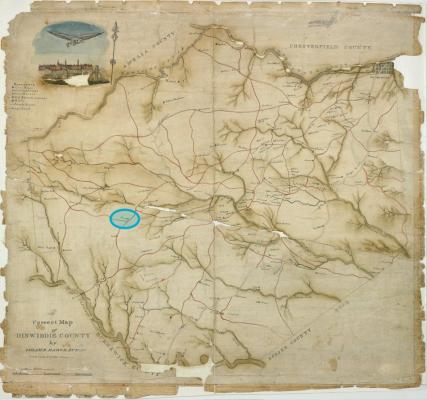
Thomas Day was a freeborn Black artisan and entrepreneur active before the Civil War. He was born in Dinwiddie County, Virginia, in 1801 to John and Mourning Day. He and his older brother, John Day Jr., were educated by neighbors and trained in cabinetmaking by their father. By 1820 Thomas Day moved to North Carolina with his family. He opened his first cabinet shop in Hillsborough in 1821. By 1827, Day had moved to the prosperous town of Milton, where he purchased property for $550. Founded in 1796, Milton had a thriving tobacco industry, an active river port, and many wealthy residents.
Thomas Day saw great success in Milton. At his peak in the early 1850s, he ran the largest cabinet shop in North Carolina, producing goods for many of the state’s most prominent citizens, and enjoying a business network extending as far as New York City. Unfortunately, his success was halted by the Financial Panic of 1857. With his fortunes crippled, he was still in debt when he died in 1861. Nevertheless, he left a legacy of craft, education, and self-improvement that helps illustrate the diverse perspectives of the early Black American experience.
Thomas Day’s Workshop
Thomas Day’s workshop ran on the labor of apprentices and enslaved people. Some apprentices like the Siewers brothers from Salem were there voluntarily. Others, regardless of race, were designated as “orphaned” if their parents had died or were considered unfit to raise them. These were legally placed in an apprenticeship under Thomas Day until they were twenty-one years old. Apprentices and enslaved alike learned advanced skills necessary to run a cabinet shop: Woodworking/carpentry, architecture, and engineering among other things.
Day’s clientele ranged from individuals like Gov. David Reid to institutions like Milton Presbyterian Church and the University of North Carolina. Goods offered ranged from flights of stairs to coffins and were made for rich and poor alike. Production increased with the purchase of a steam engine and power tools by 1847.
With cutting-edge tools and a skilled workforce producing quality goods, Thomas Day’s business prospered in Milton. He grew his business further in 1848 when he purchased the stately Union Tavern along Milton’s main street. Converting the building into his home and cabinet shop, he had a factory wing added the next year. By 1850 Day’s cabinet shop was the largest in North Carolina and produced a sixth of the state’s furniture.
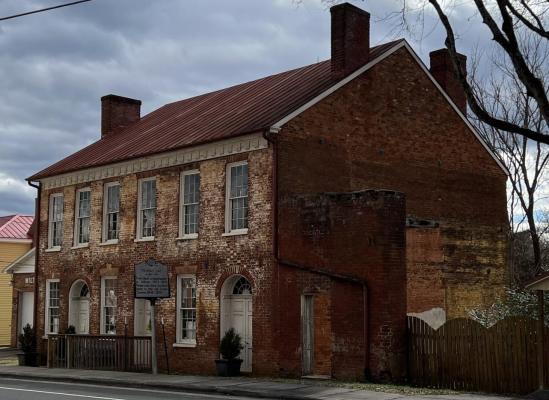
Unfortunately, Day’s success couldn’t last. The failure of the Ohio Life Insurance & Trust Company is widely considered the beginning of the Financial Panic of 1857 in the United States and sent shockwaves through the national economy. Thomas Day’s business stayed open, but he was financially ruined. Day was indebted to 22 separate parties and unable to pay them since he could not pursue legal measures to collect debts owed to him. He declared insolvency the next year and began selling off assets to recover his finances. This included power tools and enslaved people. The debt would not be settled until 1864, three years after his death.